
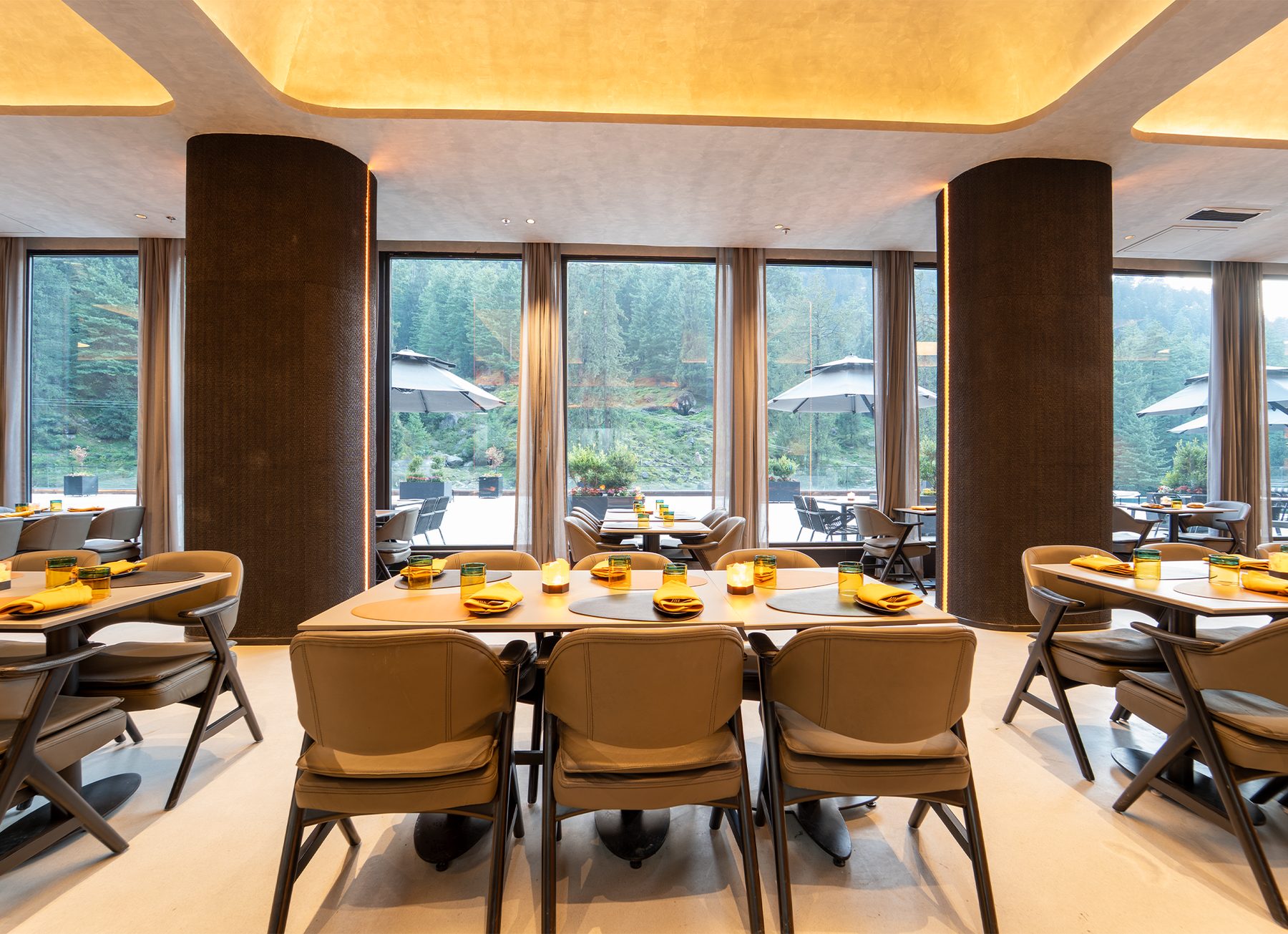
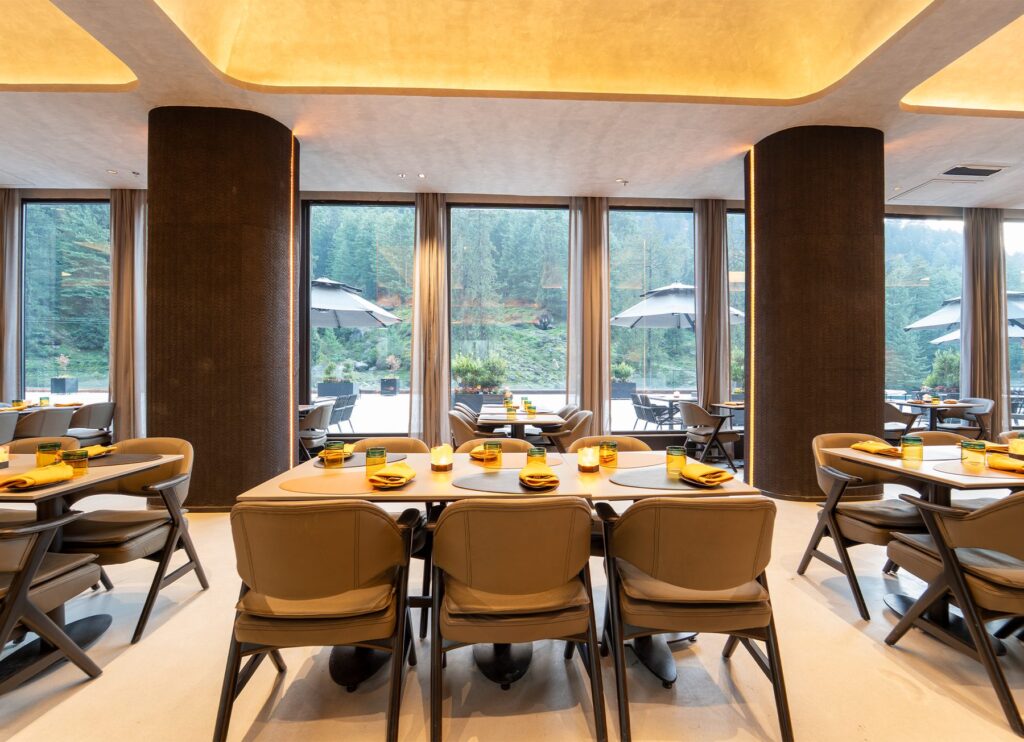
Quick answer. Farm-to-table in the Himalayas means cooking with what the mountain season offers: local vegetables, grains, dairy and herbs, grown without synthetic chemicals and cooked simply. At Ajna the kitchen follows an organic approach and takes its cues from the valley’s seasons.
Why mountain produce tastes different
Vegetables that grow slowly in cool, bright mountain air tend to develop a concentrated flavour. Cold nights, strong daytime light and mineral-rich soil all play a part. Anyone who has eaten a freshly picked tomato or a tender leaf of spinach in the hills understands the difference without needing an explanation.
The valley around Manali has a long farming tradition: apples, plums, pears, rajma, local greens, buckwheat, millets and mountain herbs all belong to its table. A good kitchen here does not fight that heritage. It builds on it.
What organic means in a restaurant kitchen
Organic is a word that is easy to say and harder to practise. In a working kitchen it comes down to sourcing: choosing growers who avoid synthetic pesticides and fertilisers, cooking with whole ingredients rather than packaged shortcuts, and being honest on the menu about what is in season. Ajna’s kitchen takes a 100% organic approach, and Dham, our signature restaurant, is where that philosophy is most visible.
Cooking with the seasons
A seasonal kitchen changes its menu because the valley changes. In spring, young greens and fresh herbs lead. Summer brings tender vegetables and stone fruit. Autumn is for apples, pumpkins and hearty pulses, and winter calls for slow-cooked dishes, warm breads and soups.
For guests this means a menu that rewards curiosity. Ask what is freshest today, and let the kitchen guide you rather than ordering the same dish you would eat anywhere.
Simple techniques that let ingredients speak
- Light tempering so that spices support rather than bury the vegetable.
- Slow cooking for pulses, which develop depth without heavy cream.
- Fresh herbs added at the end, not the beginning.
- Traditional breads and grains, such as millets, in place of refined flour where possible.
A garden as a teaching tool
A kitchen garden, or a close relationship with local growers, changes how a team cooks. Cooks learn when a vegetable is at its best, how its flavour shifts through the week, and how little needs to be done to it. Guests benefit when this is shared, which is why we offer live cooking classes where you can see ingredients handled and taste the difference.
Eating well as part of wellness
Food is half of any wellness stay. Fresh, lightly cooked, mostly plant-forward meals support the quieter rhythm of yoga, forest walks and spa days. That is why the kitchen and the wellness programme are planned together rather than as separate departments.
What to ask on any menu
- What is freshest today, and where did it come from?
- Which dishes are traditional to this valley?
- Can the dish be made lighter or without particular ingredients?
- What would the chef eat after a long day?
Questions like these turn dinner into a conversation, and the answers tell you whether a kitchen really cooks from its surroundings. A team that is proud of its sourcing will be glad to talk about it, and you will often be guided to a dish you would never have chosen from the page.
A note on honesty
Words such as organic, local and fresh are only worth what a kitchen can show behind them. The most reassuring sign is a team that talks openly about what it can and cannot source in each season, rather than promising everything all year round. In the mountains, that honesty is part of the pleasure: the menu is a living record of the valley, and some dishes are simply not available until the right month arrives.
When you visit
Plan at least one slow, unhurried meal at Dham, ask about the day’s seasonal dishes, and finish at Café Kafal with a pot of tea. It is the simplest way to taste the valley.
Frequently asked questions
Is the whole menu organic?
Ajna’s kitchen follows a 100% organic approach to sourcing. If you have questions about a particular dish, our team is happy to explain.
Can the kitchen cater to dietary needs?
Yes. Let us know about allergies, vegan, Jain or other dietary needs when you book so that the chefs can prepare in advance.
Can I learn to cook the dishes at home?
Our live cooking classes introduce techniques and ingredients, so you can take home ideas as well as recipes.

Notes from the team at Ajna, a Beas river-facing forest retreat in Manali. We write about the mountains we live in, from seasons and food to wellness and weddings.
Stay with us at Ajna
Forest-view rooms, a full spa, DHAM’s organic kitchen and the Beas at your doorstep.
Keep reading
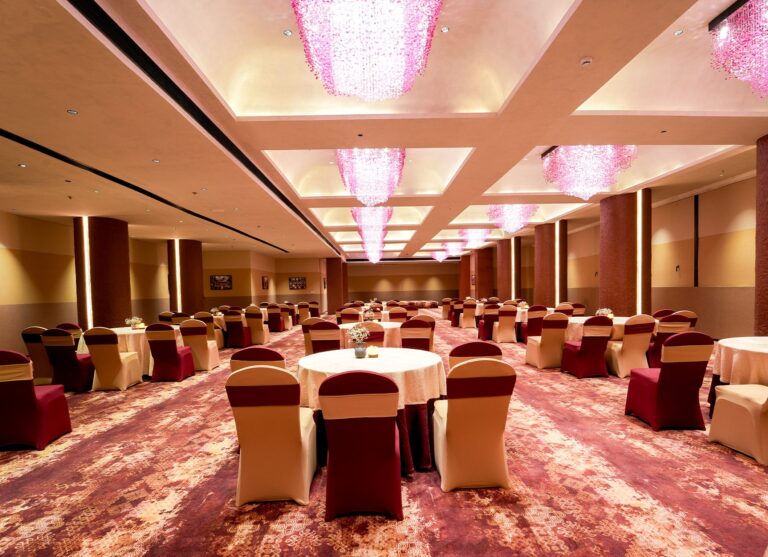
Corporate Retreats & Offsites in Manali: Why the Himalayas Work
Why teams choose the Himalayas for retreats and offsites, how to plan the agenda, and what to look for in a venue in Manali.
Read the story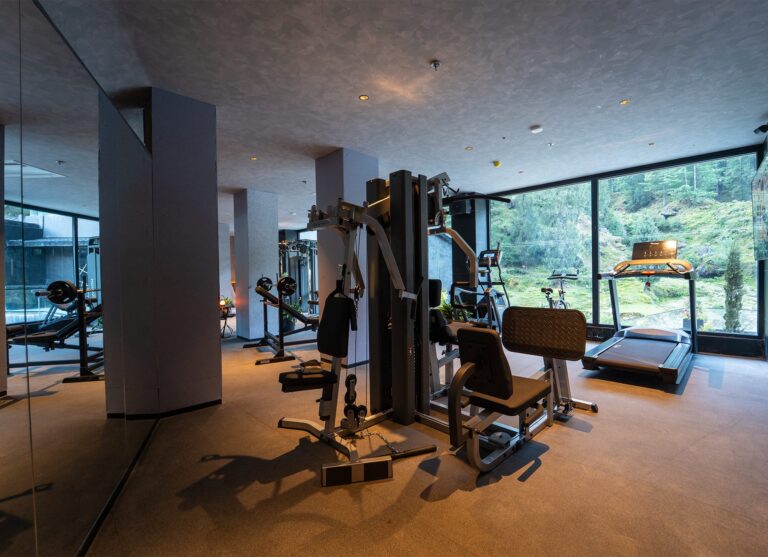
Yoga & Meditation Retreats in the Mountains: What to Expect
Thinking about a yoga or meditation retreat in the Himalayas? Here is what a typical day looks like, who it suits, and how to prepare for a mindful mountain stay.
Read the story
What to Pack for Manali in Every Season
A practical packing list for Manali in every season, with advice on layers, footwear, medicines and small extras that make a mountain stay more comfortable.
Read the story