
Quick answer. A mountain yoga and meditation retreat offers a simple daily rhythm: gentle morning practice, nourishing meals, quiet time in nature and an early evening. You do not need experience. The setting, the quiet and the pace do much of the work.
Why the mountains suit practice
Yoga and meditation have long been associated with the Himalayas. The reasons are practical as well as symbolic. The air is clean and cool, the environment is quiet, and there is less to pull your attention away. When the day is shaped by sunrise and sunset rather than notifications, it becomes easier to sit still.
A typical day
Every retreat differs, but many follow a gentle rhythm like this one:
- Early morning: a short walk or breathing practice as the light rises.
- Morning: a yoga session suited to all levels, with time for rest at the end.
- Breakfast: a light, freshly prepared meal.
- Late morning to afternoon: free time, a spa treatment or a forest walk.
- Late afternoon: a guided meditation or a gentle stretch.
- Evening: an early, simple dinner and a quiet night.
Our yoga and meditation sessions and guided meditations are held in a pillarless hall with open views of the forest, so that the setting supports the practice.
Do I need experience?
No. A good retreat welcomes complete beginners as well as regular practitioners, and offers options so everyone can work at their own level. Tell the teacher about any injuries, pregnancy or health concerns before you begin.
What a retreat is not
It is not a boot camp. There is no need to push, compete or achieve a pose. Rest is part of the practice, and many guests find the most valuable parts are the pauses between sessions.
Combine practice with the rest of the stay
Spa
A massage or treatment after a day of practice helps the body unwind. See the wellness page for what is available.
Food
Light, fresh meals support practice. Our organic kitchen can adapt dishes to your needs; read more about our approach in our kitchen garden story.
Forest
A forest bathing session is a natural companion to meditation, because it trains the same skill: paying quiet attention.
How to prepare
- Wear loose, comfortable clothing and bring a shawl.
- Reduce screen time a few days beforehand if you can.
- Arrive a day early to adjust to the altitude.
- Come with an open mind and no expectations.
Bringing the practice home
The real test of a retreat is what continues afterwards. Choose one small habit to keep: five minutes of quiet breathing at the same time each morning, a short evening stretch or a weekly walk without your phone. Small and regular beats ambitious and abandoned.
Write down, before you leave, what felt different at the retreat and what helped. That note is a useful reminder on a busy Tuesday, when the mountains feel very far away.
If you find stillness hard
Many beginners worry that they cannot quiet their minds. That is normal, and it is not a failure. Meditation is the practice of noticing that the mind has wandered and gently returning, again and again. A guided session gives you something to hold on to, such as the breath or a sound, and short sits of five to ten minutes are enough to start. The mountains help, because there is simply less noise to return from.
At Ajna, guided sessions sit alongside the spa; EKAM Wellness is a wellness partner of Ajna Resort & Spa.
Choosing the length of stay
Even a two-night stay helps, but three to five nights allow the daily rhythm to settle. If you would like to organise a private or group retreat, contact us and we will help shape a plan.
Frequently asked questions
Is yoga at Ajna suitable for beginners?
Yes. Sessions welcome beginners and can be adapted to different levels of fitness and experience.
How long should a retreat be?
Two nights give a taste, while three to five nights let the rhythm settle.
Can groups book private sessions?
Yes. Please contact us with your group size and dates so that we can suggest a plan.

Notes from the team at Ajna, a Beas river-facing forest retreat in Manali. We write about the mountains we live in, from seasons and food to wellness and weddings.
Stay with us at Ajna
Forest-view rooms, a full spa, DHAM’s organic kitchen and the Beas at your doorstep.
Keep reading
Forest Bathing: Why a Cedar Forest Is the Best Wellness Prescription
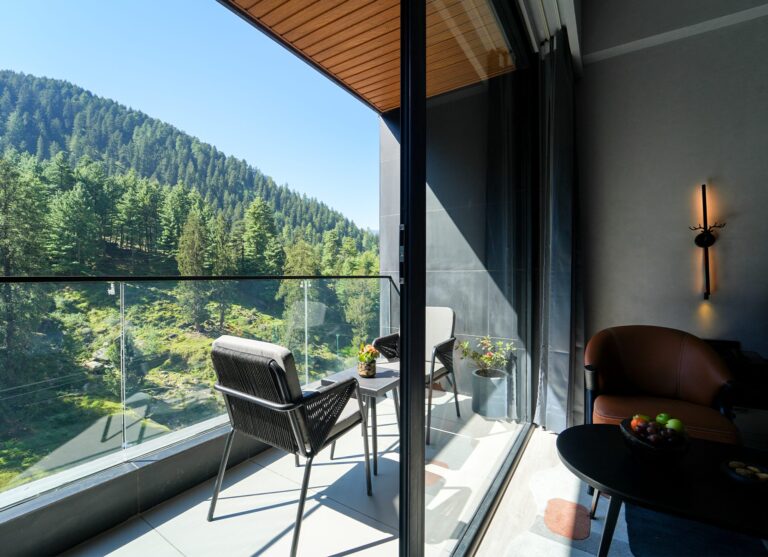
What forest bathing is, how it works, and how to practise it among deodar cedars in the Himalayas. A gentle guide to slowing down in a protected forest.
Read the story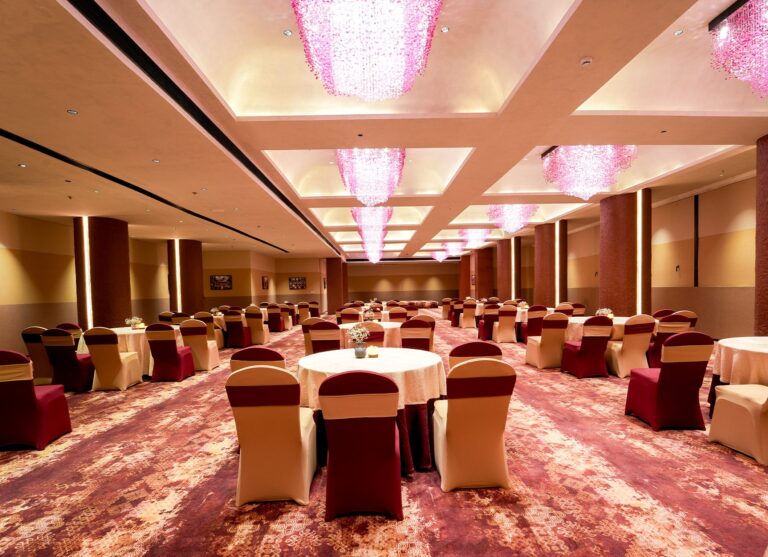
Corporate Retreats & Offsites in Manali: Why the Himalayas Work
Why teams choose the Himalayas for retreats and offsites, how to plan the agenda, and what to look for in a venue in Manali.
Read the story
What to Pack for Manali in Every Season
A practical packing list for Manali in every season, with advice on layers, footwear, medicines and small extras that make a mountain stay more comfortable.
Read the story